React 16.4.0 was recently released! ? ? ? And it’s times like this that you realize how much of a JavaScript nerd you are for getting excited about minor version releases of your favourite framework. Welp!
Let’s face it, if you’re a web developer, you deal with APIs. Whether you write your own or use someone else’s, it’s just part of the job. REST APIs in particular are very common place. Unfortunately when it comes to the wild west world of Javascript and Node.js, standards and good practice in writing RESTful APIs can sometimes get thrown out the window.
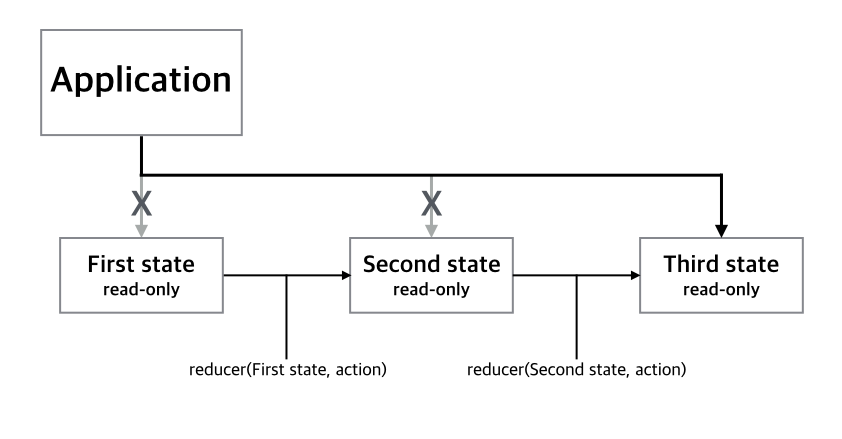
Redux is a state management container, implemented as inspired by Event Sourcing patterns and Functional programming. It helps to save and easily predict application states, so as to maintain consistency in implementation. As a result, it is simple and easy to test, maintain and debug.
As React is just a lib, it doesn’t dictate rules about how you should organize and structure your projects. This is nice, because it gives us freedom to try different approaches and adapt the ones that better fit for us.
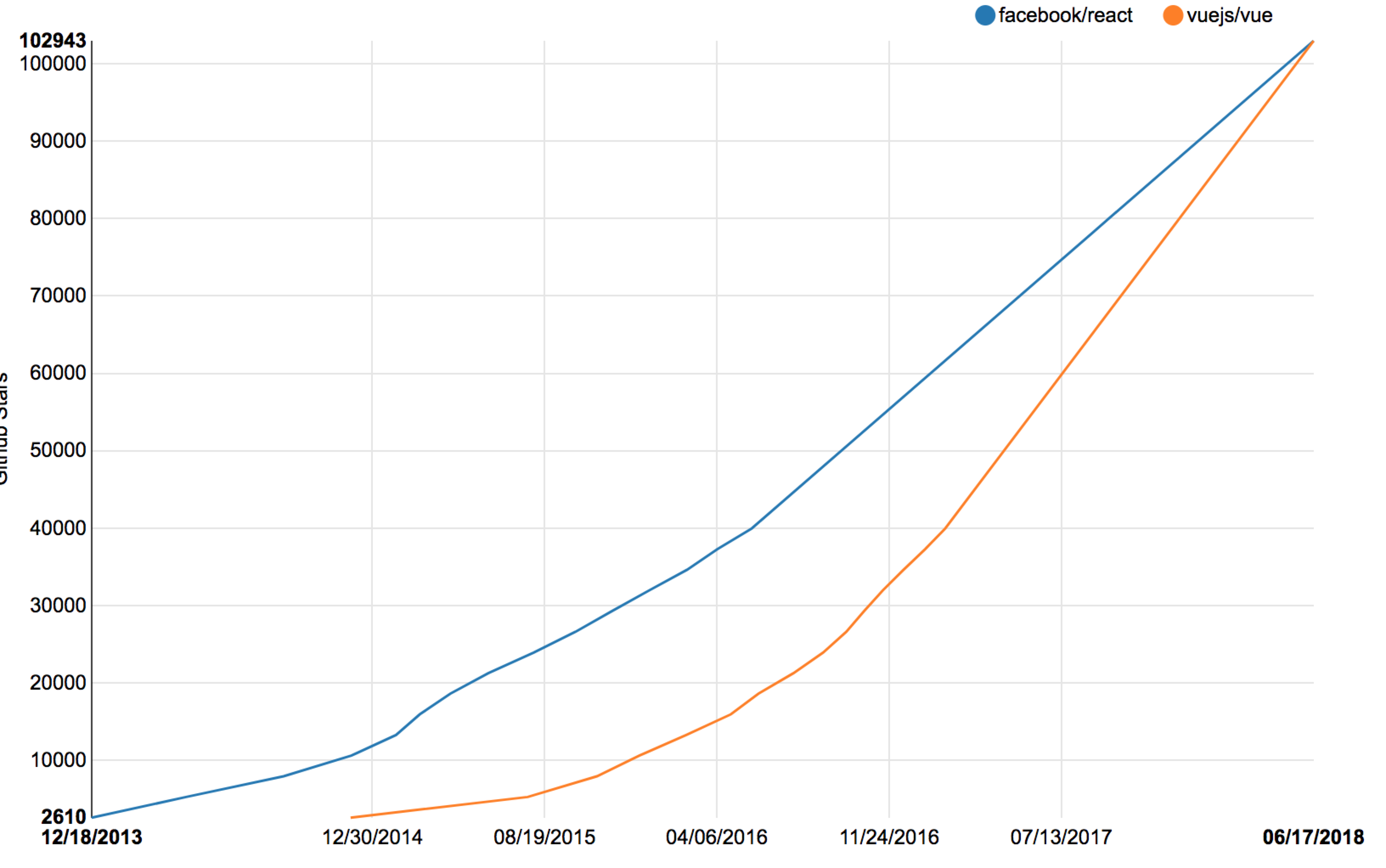
Last week there was a fairly momentous occurance in the JavaScript framework world: Vue.js passed React.js in the number of people who have 'starred' it on Github. Congratulations to @vuejs for surpassing React’s star count on GitHub! Seems like I almost captured a historical moment by accident.
Alignment is probably the most confusing aspect of flexbox. The flexbox layout module has a handful of alignment properties that behave differently under different circumstances, and when using them you might not necessarily understand what is happening or why.
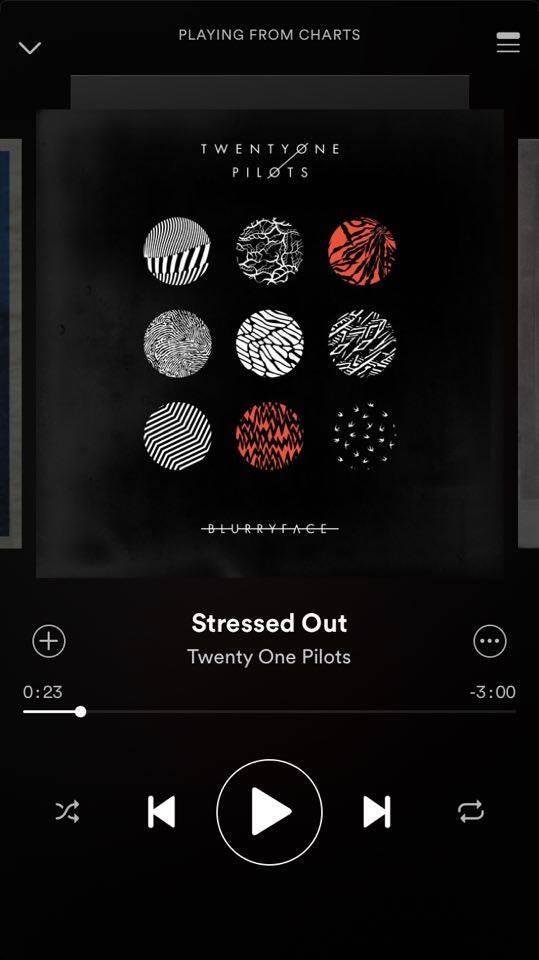
React Native is a framework for building native apps using React and Javascript. In this post, I’ll walk through the process of building a music streaming similar to Spotify. What’s really cool is that the exact same code is going to work for both iOS and Android, and the apps are going to be 100 % native (no WebViews or anything).