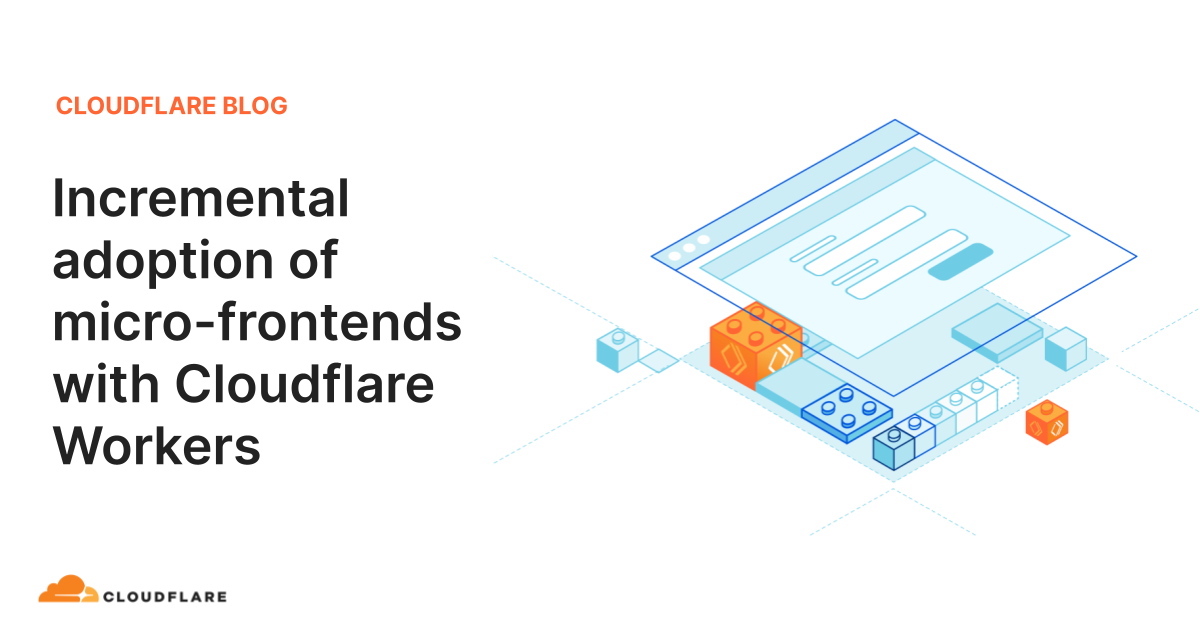
Recently, we wrote about a new fragment architecture for building Web applications that is fast, cost-effective, and scales to the largest projects, while enabling a fast iteration cycle.
With over 3.2 billion images shared online daily, the demand for efficient image search capabilities has never been higher. The opportunity to create a powerful image search engine spans many fields, from e-commerce to social media, driven by this high-velocity data.
As we’re entering the last quarter of the year, the time has come when many tech companies start their yearly feedback cycles, providing formal feedback on the performance of their employees.
This isn't click bait. We really did this! We work in a very large Javascript monorepo at Microsoft we colloquially call 1JS. It's large not only in terms of GB, but also in terms of sheer volume of code and contributions.
We spent two years building an internal developer portal—only to discover it wasn’t solving our developers’ biggest pain points. Here’s how a simple developer survey changed everything.
Too much information is no information or, as they say, what is not remembered never existed. There are literally thousands of patterns described for software and system architecture.
The internet is changing once again: it is becoming more fragmented as the separation between sources of knowledge and how users interact with that knowledge grows. Looking back a few decades, search-based navigation of knowledge was rocky for knowledge producers.