Writing is a fantastic tool for processing and communicating abstract ideas. And developers are steeped in abstract ideas! From system design to the finest implementation details, we keep a tremendous amount of information in our heads.
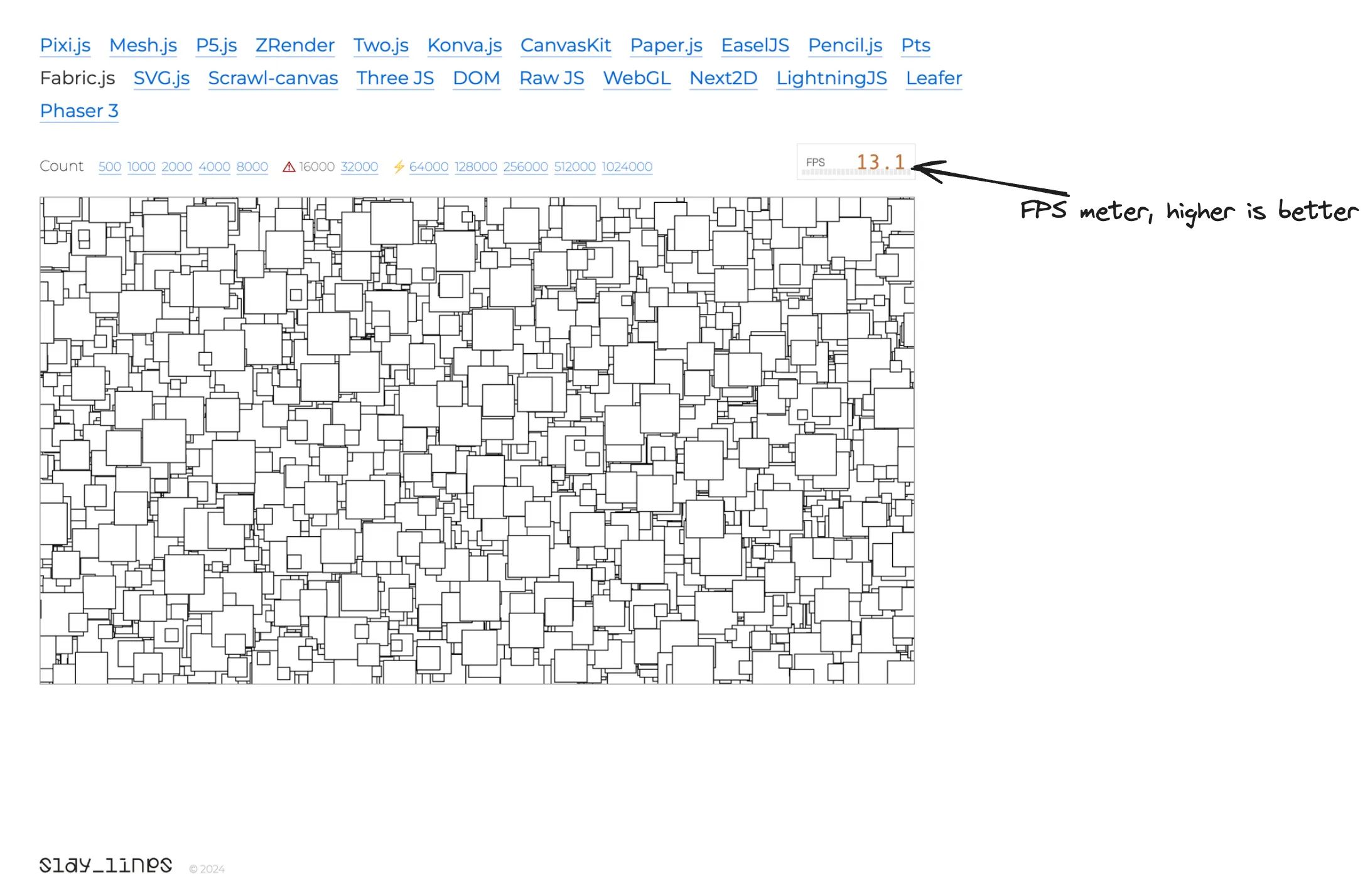
A few weeks ago a colleague of mine and I were looking at the canvas engine comparison benchmarks on benchmarks.slaylines.io. The benchmark lists several of the most popular solutions and allows easy comparison of performance in rendering thousands of rects on a canvas. At work we both use fabric.
There are hundreds or probably thousands of Python best practices out there and depending on who you ask, you would get some slight variation on a given practice. The internet has given everyone the right to voice an opinion. Including even me.
Choosing a JavaScript unit testing framework is an essential early step for any new front-end development project. Unit tests are great for peace of mind and reducing software errors. You should always make the time to test. But which framework should you choose for your project? We examined 11 of the most popular JavaScript unit testing frameworks according to stateofjs.com, to help you decide which is best for you.
Let me tell you a story real quick. Last week, I was chatting with my buddy Raj over some lukewarm lattes at our favorite cafe, The Brewing Grounds. Raj is a software engineer at one of those fancy AI startups in Silicon Valley.
Queries and Mutations are two sides of the same coin. A When a Mutation finishes, it very likely affects Queries. For example, updating an issue will likely affect the list of issues. So it might be a bit surprising that React Query does not link Mutations to Queries at all.
React 19 is here. And with it? Complex and flexible new features. Incredible optimizations. And a whole new way of thinking about your app. But when building a marketing site, are React 19’s features over-engineered? Or is it all worth the effort?