Today we are going to talk about four key primitives that Solid utilizes to make building web applications fun for the developer and also great for end users. Where else would one start but with signals.
When new systems are created or legacy systems migrated, there can sometimes be a discrepancy between the progress of event producers and consumers. This means that our architecture design also needs to consider the way replayed events will be processed from the perspective of the event consumer.
This article is a series of lessons from my time in the software industry that I wish I could have told my younger self. A career filled with luck, grit and amazing people. My hopes are to share my experience and methodologies to shine a light onto an inspiring path that others can learn from if they feel a bit lost.
Service Level Objectives (SLOs) specify a target for the reliability of systems. Each percentage increase (be it 0.900 or 0.999) has a significant impact on how much downtime is allowed: The key is to aim for high reliability, rather than extreme reliability. There are two core reasons for this.
While reasoning is important, readers may not be interested in all the frustrations I experienced while figuring out how to get things done. If you’re looking for a quick solution, skip to the “What eventually worked?” section.
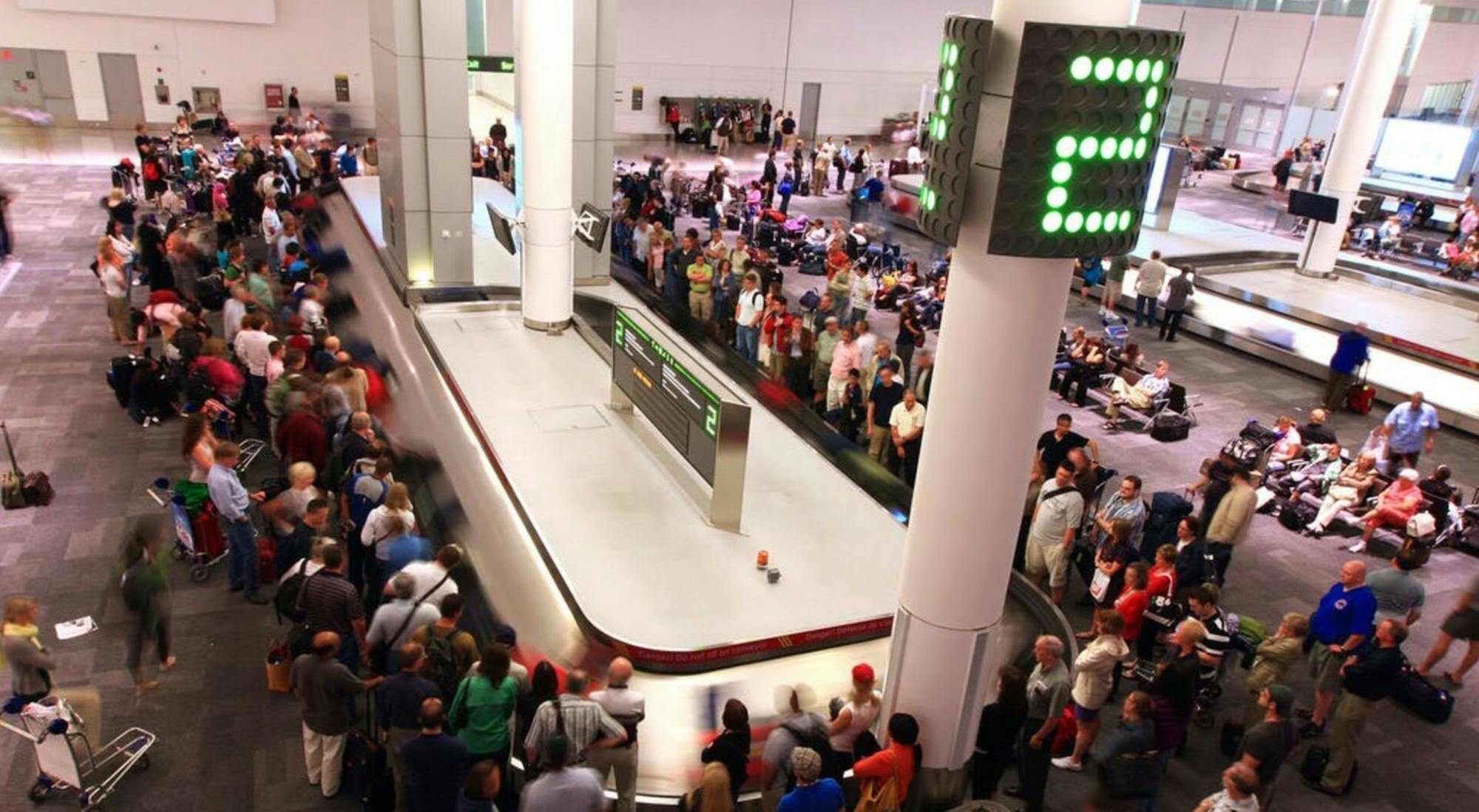
In the fourteen years that I've been working in the web performance industry, I've done a LOT of research, writing, and speaking about the psychology of page speed – in other words, why we crave fast, seamless online experiences.
If you’ve worked in React, one of the first things you’ve learned is to think in components. Rather than implementing one single component for an entire UI collection, you’re encouraged to break it down into smaller, reusable units. For example, consider the React component diagram: